
Results-Based Governance: A Pathway to Prosperity
Plenary Sitting – Monday, 22 June 2026
Executive Summary
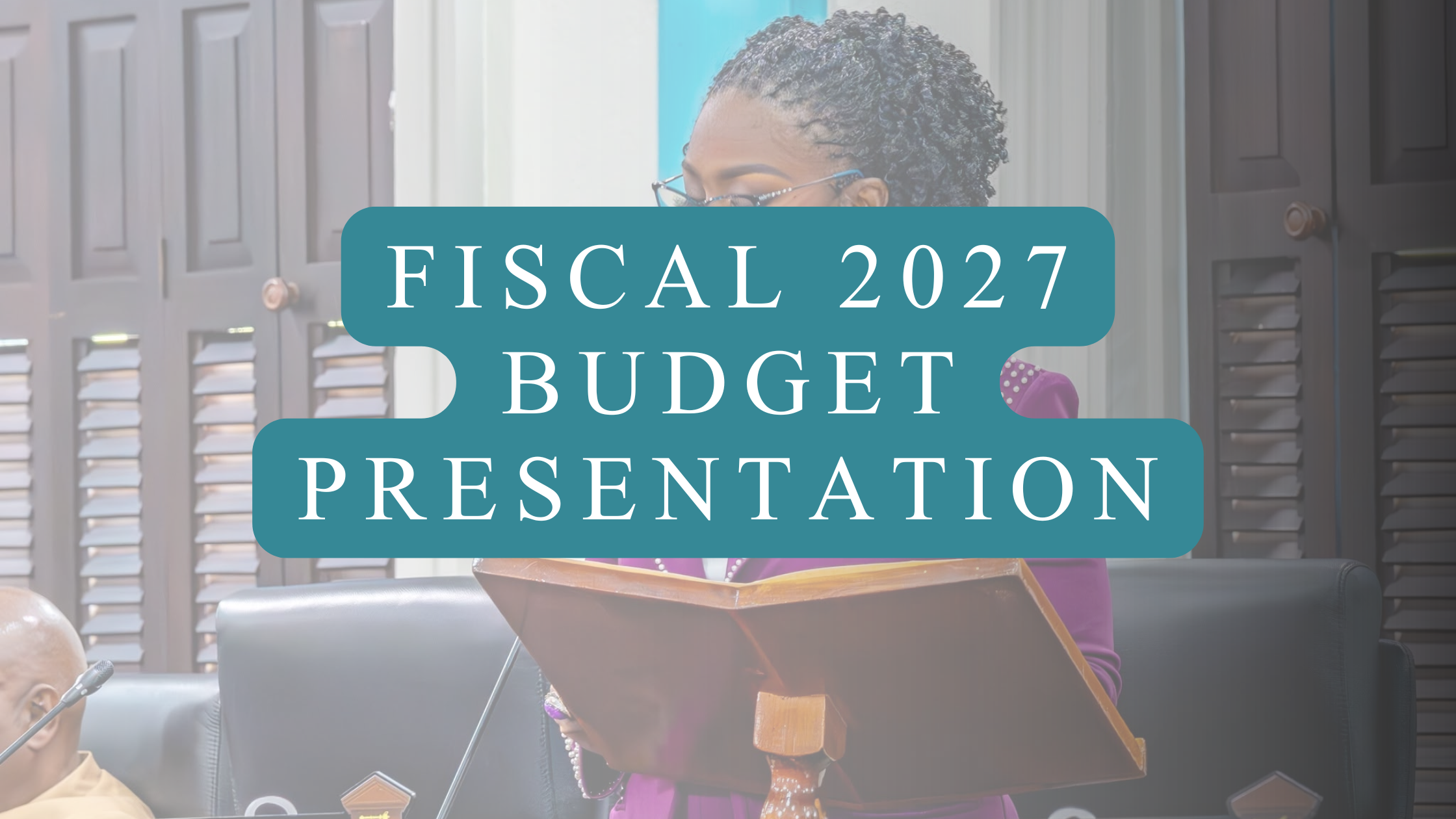
The Tobago House of Assembly convened on Monday, 22 June 2026, for the presentation of the Fiscal 2027 Budget by the Secretary of Finance, Trade and the Economy, Councillor Petal-Ann Roberts. Delivered under the theme “Results-Based Governance: A Pathway to Prosperity,” the Budget outlines the Assembly’s fiscal priorities, strategic direction and planned investments for the 2027 financial year.
The Budget introduces the first implementation phase of the Assembly’s medium-term development framework, Pathway to Prosperity 2026–2030, while supporting the long-term objectives contained within the Tobago Strategic Development Plan 2025–2045. Throughout the presentation, emphasis was placed on ensuring that public expenditure produces measurable outcomes through improved accountability, stronger public institutions and enhanced service delivery.
The Budget was developed following consultations with residents, civil society organisations, stakeholders and the wider public through both face-to-face engagements and an online consultation platform. The presentation also reviewed current global, regional and national economic conditions, recognising the continued impact of geopolitical uncertainty, inflationary pressures, supply chain disruptions and changing international markets on small island developing states.
During the presentation, the Secretary announced that the Government of the Republic of Trinidad and Tobago increased the Tobago House of Assembly’s allocation by TT$94 million, bringing the Assembly’s overall allocation to approximately TT$3.06 billion for Fiscal 2027.
The Budget outlines investment across a broad range of sectors, including governance reform, tourism, agriculture, healthcare, education, infrastructure, environmental sustainability, digital transformation, community development and economic diversification. It also introduces several new initiatives designed to strengthen public administration, improve social inclusion and position Tobago for long-term sustainable growth.
The following report summarises the principal announcements, strategic priorities, investments and programmes presented during the Fiscal 2027 Budget Presentation.
Budget at a Glance
| Budget Item | Details |
| Theme | Results-Based Governance: A Pathway to Prosperity |
| Fiscal Year | 2027 |
| Presenter | Secretary of Finance, Trade and the Economy |
| Total THA Allocation | Approximately TT$3.06 Billion |
| Increase in Allocation | TT$94 Million |
| Strategic Framework | Pathway to Prosperity 2026–2030 |
| Long-Term Development Plan | Tobago Strategic Development Plan 2025–2045 |
| Public Consultation | In-person consultations and online submissions |
| Primary Focus | Results-based governance and measurable public outcomes |
Economic Outlook
The Fiscal 2027 Budget Presentation was delivered against a backdrop of continued uncertainty within the global economy. The Secretary noted that ongoing geopolitical conflicts, supply chain disruptions, inflationary pressures and fluctuating energy markets continue to influence economic performance worldwide, creating challenges for small island developing states such as Tobago. Despite these external pressures, the Budget emphasises the importance of strategic planning, fiscal discipline and targeted investment to strengthen the island’s resilience and long-term economic sustainability.
The presentation referenced forecasts from international financial institutions indicating that while global growth is expected to continue, it remains below historical averages. Across Latin America and the Caribbean, economic expansion is projected to remain modest, reinforcing the need for countries and territories to improve productivity, diversify their economies and invest in innovation and institutional capacity.
Against this international backdrop, Tobago’s economic outlook remains encouraging. The Secretary reported positive growth in the island’s economy, supported by activity within manufacturing, financial services and government services. Labour market indicators also reflected continued stability, with low unemployment and healthy labour force participation. Inflation remained relatively moderate despite global price pressures, providing a stable environment for households and businesses.
While recognising these positive indicators, the Budget acknowledges that Tobago continues to rely heavily on the public sector as a major contributor to economic activity. As a result, the Assembly intends to continue supporting policies that encourage private sector growth, entrepreneurship and investment across key industries. Tourism, agriculture, fisheries, technology, the creative industries and small business development were identified as priority sectors capable of generating employment, stimulating innovation and strengthening economic resilience.
The Secretary also highlighted positive developments within the national economy, including improved international assessments of Trinidad and Tobago’s economic outlook. These developments contributed to an increase in the Tobago House of Assembly’s allocation for Fiscal 2027 and provide an opportunity to accelerate strategic investments across the island.
Overall, the Budget presents a balanced economic outlook—recognising external challenges while identifying opportunities to build a stronger, more diversified and resilient Tobago economy through responsible fiscal management, targeted investment and results-based governance.
Strategic Priorities
The Fiscal 2027 Budget is anchored in the Assembly’s medium-term development framework, Pathway to Prosperity 2026–2030, and aligned with the Tobago Strategic Development Plan 2025–2045. Rather than presenting a collection of standalone initiatives, the Budget establishes a coordinated programme of investment intended to strengthen governance, diversify the economy, modernise public services and improve the quality of life for the people of Tobago.
Central to this approach is the adoption of results-based governance, which shifts the focus of public administration from measuring expenditure to measuring outcomes. Under this model, every programme, project and public investment is expected to contribute to clearly defined objectives that can be monitored and evaluated throughout the fiscal year. Divisions will increasingly use performance indicators and project management tools to assess progress, improve accountability and ensure that public resources deliver measurable benefits to citizens.
A key priority of the Budget is strengthening governance and institutional capacity. The Assembly will continue modernising public administration through improved financial management, digital systems, organisational reform and enhanced performance monitoring. These initiatives are intended to improve service delivery, increase transparency and build public confidence in government institutions while ensuring that the Assembly remains responsive to the changing needs of Tobago.
Economic diversification remains another central pillar of the Budget. While acknowledging the significant contribution of the public sector to Tobago’s economy, the Budget recognises the importance of expanding opportunities within the private sector to achieve sustainable long-term growth. Investment will therefore continue in industries capable of generating employment, encouraging entrepreneurship and reducing economic dependence on traditional sectors. Particular attention is given to tourism, agriculture, fisheries, technology, the creative industries and small business development as key drivers of future economic activity.
The Budget also reaffirms the Assembly’s commitment to tourism development as one of Tobago’s leading economic sectors. Investment will continue in initiatives aimed at enhancing the island’s tourism product, improving visitor experiences, strengthening destination marketing and supporting community-based tourism. By linking tourism with culture, heritage, environmental conservation and entrepreneurship, the Assembly aims to create a more resilient and sustainable tourism industry that benefits businesses and communities across the island.
Food security and agricultural development receive significant attention throughout the Budget. Recognising the importance of reducing reliance on imported food, the Assembly proposes continued investment in commercial agriculture, fisheries, agricultural infrastructure, market development and farmer support programmes. These initiatives seek to increase local food production, strengthen rural communities and improve Tobago’s long-term food resilience while creating new economic opportunities within the agricultural sector.
The Budget further identifies digital transformation and innovation as essential components of Tobago’s future development. Continued investment in information technology infrastructure, digital public services and emerging technologies will support more efficient government operations while improving access to public services. The Assembly also recognises the growing importance of artificial intelligence and digital skills in supporting productivity, innovation and economic competitiveness. These investments aim to prepare Tobago’s workforce and institutions for an increasingly digital global economy.
Investment in public infrastructure remains one of the largest areas of expenditure within the Fiscal 2027 Budget. The Assembly intends to continue upgrading roads, bridges, public buildings, utilities and other strategic infrastructure that supports economic development and community wellbeing. These projects are expected to improve connectivity, strengthen resilience, enhance public safety and create the conditions necessary for private sector investment and sustainable growth.
The Budget also places strong emphasis on environmental sustainability and climate resilience. Tobago’s natural environment is recognised as one of its greatest assets and an important contributor to tourism, fisheries and community wellbeing. Planned initiatives include coastal protection projects, reforestation programmes, marine resource management, renewable energy initiatives, environmental conservation and measures to address the ongoing impacts of climate change and coastal erosion. These investments seek to protect the island’s ecosystems while supporting sustainable economic development.
Investment in people and communities remains fundamental to the Assembly’s development strategy. The Budget continues support for healthcare, education, workforce development, youth empowerment, sport, culture and community programmes that contribute to social wellbeing and national development. The Assembly views these investments as long-term commitments to building a healthier, more skilled and more resilient population capable of driving Tobago’s future growth.
A notable feature of the Fiscal 2027 Budget is its focus on social inclusion. During the presentation, the Secretary announced the establishment of a Department of Disability Inclusion, reflecting the Assembly’s commitment to improving accessibility, expanding opportunities and ensuring that persons with disabilities are able to participate more fully in national development. Additional programmes supporting vulnerable communities, social protection, vocational training and community development further reinforce the Budget’s objective of ensuring that the benefits of development are shared across all sectors of society.
Collectively, these strategic priorities demonstrate the Assembly’s intention to balance immediate service delivery with long-term investment. Through responsible fiscal management, strengthened institutions, economic diversification and targeted public investment, the Fiscal 2027 Budget seeks to lay the foundation for sustainable development while advancing Tobago’s vision of a prosperous, resilient and inclusive future.
Division Highlights
The Fiscal 2027 Budget provides recurrent funding to support the operations and service delivery responsibilities of each Division and Office of the Tobago House of Assembly. Together, these allocations are intended to ensure the continued delivery of essential public services while advancing the Assembly’s strategic priorities under the Pathway to Prosperity 2026–2030 framework.
Rather than operating independently, each Division contributes to the Assembly’s wider objective of strengthening governance, promoting sustainable economic growth and improving the quality of life for the people of Tobago.
Office of the Chief Secretary
The Office of the Chief Secretary continues to provide overall leadership, strategic policy direction and coordination for the Tobago House of Assembly. Funding for Fiscal 2027 supports executive administration, intergovernmental relations, policy coordination and oversight of the Assembly’s development agenda.
The Office will continue guiding implementation of the Assembly’s strategic priorities while promoting collaboration across Divisions to ensure programmes and projects are delivered efficiently and effectively.
Division of Finance, Trade and the Economy
The Division of Finance, Trade and the Economy remains responsible for financial management, budget administration, revenue collection, procurement oversight and economic policy development.
During Fiscal 2027, the Division will continue implementing initiatives that strengthen public financial management, improve fiscal accountability and support evidence-based decision-making. The Division also plays a central role in advancing Tobago’s economic diversification agenda by supporting investment, entrepreneurship, business development and trade opportunities.
The Budget further supports the continued implementation of results-based budgeting and performance monitoring across the Assembly.
Division of Health, Wellness and Social Protection
The Division of Health, Wellness and Social Protection continues to receive one of the Assembly’s largest allocations, reflecting the importance of healthcare and social services to Tobago’s development.
Funding will support the continued delivery of primary healthcare, hospital services, preventative care, specialised medical services, community health programmes and social protection initiatives. Investment also provides for improvements to healthcare infrastructure, medical equipment and public health programmes designed to improve access to quality healthcare throughout Tobago.
The Budget reinforces the Assembly’s commitment to promoting healthier communities while ensuring that healthcare services remain accessible, responsive and sustainable.
Division of Education, Research and Technology
The Division of Education, Research and Technology will continue investing in education as a cornerstone of national development.
Fiscal 2027 funding supports early childhood, primary, secondary and technical education together with teacher development, student support services, educational facilities and technology integration.
The Division will also continue strengthening research, innovation and digital learning initiatives while creating opportunities for skills development that prepare students and young people for future employment and lifelong learning.
Investment in education reflects the Assembly’s recognition that human capital remains one of Tobago’s most valuable resources.
Division of Food Security, Natural Resources, the Environment and Sustainable Development
Food security, environmental protection and sustainable resource management remain significant priorities within the Fiscal 2027 Budget.
The Division will continue implementing programmes that support agricultural production, fisheries development, food resilience and environmental conservation. Planned initiatives include strengthening agricultural infrastructure, supporting farmers and fishers, promoting sustainable land use and protecting Tobago’s natural ecosystems.
The Division also leads several climate resilience initiatives, recognising the importance of safeguarding Tobago’s environment while supporting sustainable economic growth and food security.
Division of Tourism, Culture, Antiquities and Transportation
Tourism continues to play a critical role in Tobago’s economy, and the Division will continue implementing initiatives designed to strengthen the island’s tourism product and improve visitor experiences.
Funding supports destination marketing, tourism product development, cultural preservation, heritage management and transportation services that contribute to economic growth and community development.
The Budget recognises that tourism extends beyond visitor arrivals, supporting employment, entrepreneurship, cultural industries and small businesses across Tobago.
Division of Infrastructure, Public Utilities and Public Safety
The Division of Infrastructure, Public Utilities and Public Safety is responsible for delivering many of the physical improvements that support everyday life throughout Tobago.
Fiscal 2027 funding will support road rehabilitation, bridge maintenance, drainage improvements, public buildings, utilities, fleet management and other infrastructure projects that improve connectivity, safety and resilience.
The Division also plays an important role in disaster preparedness, emergency response and maintaining public infrastructure necessary for economic development and community wellbeing.
Division of Community Development, Youth Development and Sport
The Budget continues to invest in programmes that strengthen communities while creating opportunities for young people to develop their talents and contribute to national development.
Funding supports community facilities, youth development initiatives, sporting programmes, recreational facilities and partnerships with community organisations.
These initiatives seek to encourage civic participation, healthy lifestyles, leadership development and greater community engagement while promoting social inclusion throughout Tobago.
Office of the Assembly Legislature
The Office of the Assembly Legislature continues to support the legislative functions of the Tobago House of Assembly through the administration of sittings, committee meetings, parliamentary services and public information.
Funding supports the efficient operation of the Legislature, ensuring that Members are provided with the administrative, procedural and research support necessary to carry out their legislative responsibilities.
The Office also continues to strengthen public engagement through improved access to legislative information, digital communication initiatives and greater transparency in parliamentary proceedings.
Office of the Secretary, Governance and Public Affairs
The Office of the Secretary, Governance and Public Affairs supports policy coordination, governance initiatives, stakeholder engagement and communication across the Assembly.
The Fiscal 2027 Budget provides resources to strengthen public engagement, improve communication with citizens and support governance reforms that enhance transparency and accountability.
The Office will continue working with Divisions to promote coordinated policy implementation and strengthen relationships with communities, stakeholders and development partners.
Delivering Services Through Collaboration
While each Division has distinct responsibilities, the Fiscal 2027 Budget emphasises a coordinated approach to public administration. Many programmes require collaboration across multiple Divisions, ensuring that investments in infrastructure, education, healthcare, tourism, agriculture and community development contribute collectively to Tobago’s long-term growth.
Under the Assembly’s results-based governance framework, Divisions will continue monitoring programme performance, reporting on outcomes and evaluating the effectiveness of public expenditure. This integrated approach is intended to improve accountability while ensuring that government investment delivers measurable benefits for citizens.
Through these allocations, the Tobago House of Assembly aims to maintain essential public services, strengthen institutional capacity and advance strategic investments that support a more resilient, inclusive and prosperous Tobago.
Major Capital Projects
The Fiscal 2027 Budget outlines a comprehensive programme of capital investment designed to strengthen Tobago’s infrastructure, improve public services and support sustainable economic development. These projects align with the Assembly’s Pathway to Prosperity 2026–2030 framework and focus on creating resilient communities while enhancing the island’s long-term competitiveness.
A significant portion of the capital programme is dedicated to public infrastructure, with continued investment in the rehabilitation and construction of roads, bridges, drainage systems, public buildings and essential utilities. These projects aim to improve connectivity, increase public safety and provide the infrastructure necessary to support economic growth and community development.
Environmental sustainability also features prominently within the capital investment programme. Planned initiatives include the Milford Road–Pigeon Point Coastal Rehabilitation Project, supported through approximately TT$100 million in off-budget financing, together with coastal protection works, reforestation initiatives, construction of a jetty at Little Tobago, establishment of a Marine Resources Management Complex, and programmes addressing the ongoing impact of sargassum seaweed. Additional investment will support the installation of electric vehicle charging stations and energy efficiency initiatives across public facilities.
Capital funding has also been allocated to strengthen food security and agricultural development, including improvements to agricultural infrastructure, fisheries facilities and programmes that support increased local food production and long-term sustainability.
Investment in digital infrastructure continues through projects that modernise information technology systems, expand digital public services and improve the Assembly’s technological capacity. These initiatives will support more efficient government operations while enhancing service delivery to citizens.
Collectively, the Fiscal 2027 capital programme reflects the Assembly’s commitment to building resilient infrastructure, protecting Tobago’s natural environment, modernising public services and creating the conditions necessary for sustainable economic growth. Through these strategic investments, the Assembly aims to improve the daily lives of residents while laying the foundation for future development and prosperity.
New Programmes and Key Initiatives
The Fiscal 2027 Budget introduces a number of new programmes and strategic initiatives designed to modernise public administration, strengthen social inclusion and position Tobago for sustainable long-term development. These initiatives reflect the Assembly’s commitment to delivering measurable outcomes while responding to the evolving needs of residents and communities.
One of the most significant announcements was the establishment of the Department of Disability Inclusion, representing a major step towards creating a more accessible and inclusive Tobago. The Department will coordinate policies and programmes that promote accessibility, independent living, skills development, employment opportunities and greater participation by persons with disabilities in national life.
The Budget also advances the Assembly’s transition to results-based governance, introducing strengthened performance management systems, digital project monitoring and output-based budgeting across Divisions. These reforms are intended to improve accountability, enhance service delivery and ensure that public investment is aligned with clearly defined outcomes and performance indicators.
Recognising the growing importance of technology, the Budget includes initiatives to accelerate digital transformation throughout the public sector. Planned investments will support modern information technology infrastructure, expanded digital public services and the responsible adoption of emerging technologies, including artificial intelligence, to improve operational efficiency and citizen engagement.
Environmental sustainability remains a key focus through initiatives aimed at strengthening climate resilience, protecting Tobago’s natural resources and promoting renewable energy solutions. Programmes addressing coastal protection, marine resource management, reforestation and energy efficiency demonstrate the Assembly’s commitment to balancing economic development with environmental stewardship.
The Budget also continues to invest in programmes that encourage entrepreneurship, strengthen food security, support youth development, expand community participation and enhance workforce skills. Together, these initiatives complement the Assembly’s broader development agenda by creating opportunities for innovation, economic diversification and inclusive growth.
Collectively, these new programmes and initiatives reinforce the Fiscal 2027 Budget’s theme of “Results-Based Governance: A Pathway to Prosperity,” supporting a coordinated approach to governance, sustainable development and improved public service delivery for the people of Tobago.
Key Statistics
The following statistics highlight some of the principal economic indicators and fiscal figures presented during the Fiscal 2027 Budget Presentation.
| Category | Key Statistic |
| Budget Theme | Results-Based Governance: A Pathway to Prosperity |
| Fiscal Year | 2027 |
| Total THA Allocation | Approximately TT$3.06 Billion |
| Increase in THA Allocation | TT$94 Million |
| Strategic Development Framework | Pathway to Prosperity 2026–2030 |
| Long-Term Vision | Tobago Strategic Development Plan 2025–2045 |
| Public Consultation | Approximately 110 submissions received through stakeholder consultations and the online consultation platform |
| Estimated GDP Growth (Tobago) | 1.7% (constant prices) |
| Estimated Labour Force | Approximately 33,300 persons |
| Estimated Employment | Approximately 32,300 persons |
| Unemployment Rate | 3.0% |
| Labour Force Participation Rate | 68.4% |
| Headline Inflation | 2.1% |
| Food Inflation | 2.8% |
| Core Inflation | 1.9% |
| Public Infrastructure Investment | Approximately TT$431.5 Million |
| Food Security & Agriculture Investment | Approximately TT$140.7 Million |
| Creative Economy Investment | Approximately TT$64.5 Million |
| Environmental Sustainability & Climate Resilience | Approximately TT$54.4 Million |
| Digital Transformation & Artificial Intelligence | Approximately TT$46.3 Million |
| Strengthening Public Institutions | Approximately TT$22 Million |
| Key Governance Initiative | Continued implementation of Results-Based Governance and Output-Based Budgeting |
| Major New Programme | Establishment of the Department of Disability Inclusion |
| Major Environmental Project | Milford Road–Pigeon Point Coastal Rehabilitation Project |
| Technology Priority | Expansion of digital government services and AI readiness |
| Economic Priorities | Tourism, Agriculture, Infrastructure, Digital Transformation, Environmental Sustainability and Economic Diversification |
Note: All figures are based on information presented during the Fiscal 2027 Budget Presentation. Additional financial details are contained within the official Budget Statement and the Estimates of Revenue and Expenditure.